
Evaluating the Usefulness of Barking in Protection Dogs
Balancing Bark and No Bark Training for Effective Dog Behavior
Introduction
The debate over whether protection dogs should bark or remain quiet in various situations is longstanding. Some believe that a barking or snarling dog serves as a strong deterrent and demonstrates its protective role, while others view excessive barking as a public nuisance and a sign of poor control. This document explores both perspectives, highlighting the usefulness of barking, the benefits of teaching a "No Bark" command, and best practices for navigating public areas with protection dogs.
The Usefulness of Barking in Protection Dogs
Barking can serve several important functions for a protection dog. It can act as an alert to the handler of potential threats, warn off intruders, and provide a deterrent effect that may prevent escalation. For instance, if an annoying or threatening person approaches, a well-timed bark can communicate a clear message to back off. In some cases, the presence of a dog—especially one that barks on command—can be enough to discourage unwanted attention or aggression.
The Case for "No Bark": The Value of Controlled Silence
Despite the potential usefulness of barking, many handlers and members of the public find excessive or uncontrolled barking disruptive. This disruptive barking is more often what we have going on than usefulness. In public areas or condominiums, an obnoxiously loud dog may be perceived as a nuisance, leading to requests for the dog and handler to leave. At home, a dog that responds to every doorbell with frantic barking can create a chaotic high stress environment, especially when the owner's attempts to quiet the dog only add to its excitement.
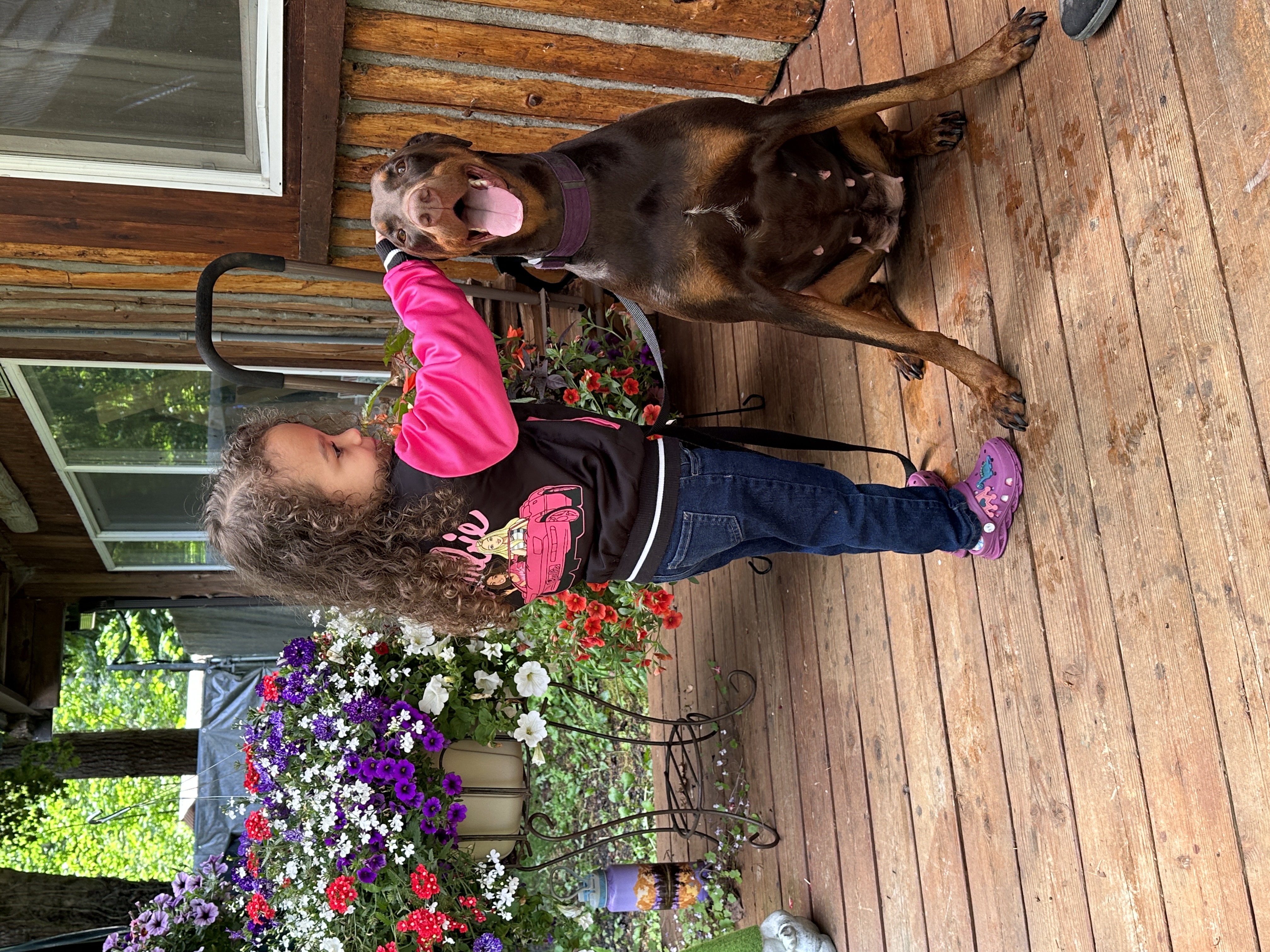
Training a dog to remain quiet, or to respond to a "No Bark" command, is often seen as a more desirable approach. A quiet and controlled dog is generally welcome in public spaces and private homes. This level of discipline not only fosters a more peaceful environment but also demonstrates the handler's control and the dog's training.
Striking the Right Balance
The ideal protection dog should be able to distinguish between situations where barking is appropriate and when silence is preferred. Handlers should focus on teaching their dogs to use their voice only when necessary—for example, to deter a genuine threat or alert their owner in an emergency—and to remain calm and quiet in everyday scenarios.
Proper focus on training quiet, calm behavior daily is more valuable than rewarding the bark and is key to achieving this balance. By rewarding calm behavior and teaching clear commands for both barking and quiet, handlers can ensure their dogs are effective protectors without becoming a nuisance.
Conclusion
While barking has its place in a protection dog's toolkit, uncontrolled or excessive barking can lead to negative consequences for both the handler and the dog. Emphasizing "No Bark" training creates a more welcoming atmosphere in public and private spaces, enhances the dog's social acceptability, and ensures the handler maintains control. Ultimately, the most effective protection dog is one that remains obedient and is with the handler, as quiet presence of the dog strongly deters harm and aids you with companionship. A barking dog leads to chaos and stress, eventually removal from the social situation.
To view our training program click the link. For more information about getting started training your dog in person today check out Practical Protection training for dogs and handlers with me, Ed Marshall.
Stay connected with news and updates!
Join our mailing list to receive the latest news and updates from DTC.
Don't worry, your information will not be shared.
We hate SPAM. We will never sell your information, for any reason.
